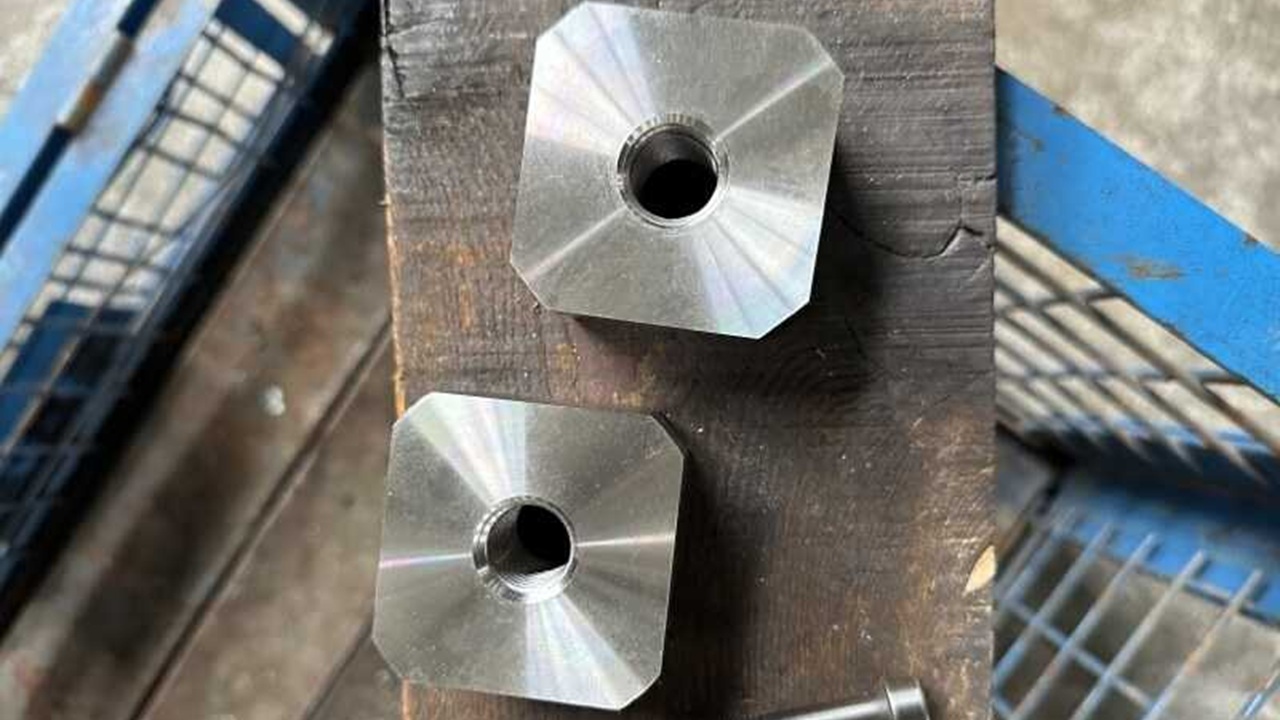
The Advantages of Rapid Prototyping in Metal Cabinet Manufacturing
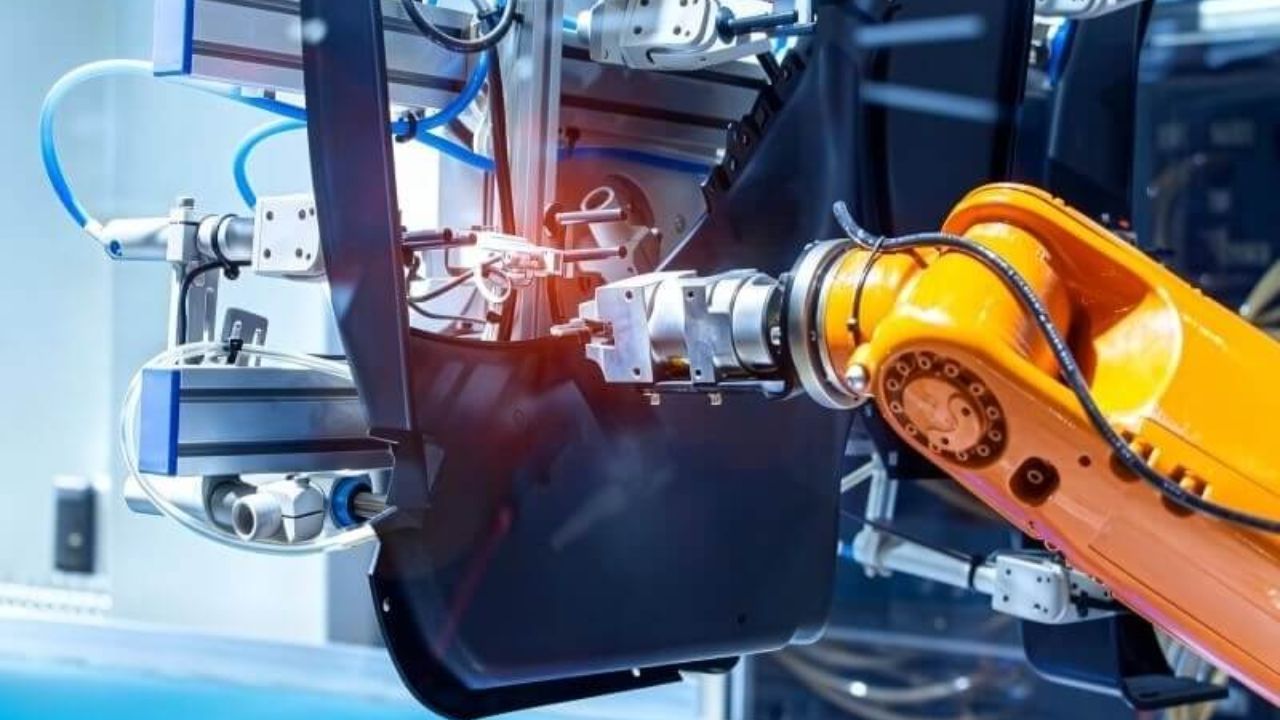
Efficiency, accuracy, and flexibility are very important in the current competitive environment of the manufacturing field. Rapid prototyping is an approach that is becoming popular among metal cabinet manufacturer in an effort to simplify production processes and satisfy the needs of the clients. Rapid prototyping helps the firms to come up with accurate physical models of the design within a limited amount of time and, hence, helps the firm to test, revise, and refine the metal cabinets before committing to mass production. This will reduce the risk, lead times, and also ensure that the completed products are accurate with regard to specifications and performance.
Accelerated Design Validation
Among the most important benefits of rapid prototyping in metal cabinet production, we may single out the possibility of testing the designs in a short period of time. In the past, engineers used to use CAD drawings and protracted production processes to determine the viability of a cabinet design. Through the prototyping process, it is easy to end up with a physical model in a few days, where a designer and the clients can physically test the dimensions, appearance, and functionality of the product. This direct response can be used to determine the flaws or inefficiencies in the design at an early stage of the development cycle and avoid making expensive mistakes when mass production occurs.
Enhanced Flexibility and Customization
In the construction of metal cabinets, rapid prototyping allows a greater level of flexibility. Customers may possess very specific demands, including special shelving designs, cable management solutions, or built-in hardware. The use of rapid prototyping allows manufacturers to do experiments with variant designs and changes with relative ease and not much loss of time or even money. The flexibility will permit a solution that is actually tailor made, and the end result is the creation of the metal cabinet that fits particular work requirements, and one that is as well as it can perform optimally and still last.
Improved Communication Between Stakeholders
There should also be proper communication in the process of transforming a custom metal cabinet into reality. Rapid prototyping will help in the coordination of the engineers, designers, and clients by giving them a physical prototype of the product. The stakeholders are able to interact with and test the prototype and discuss the changes in real time. This physical prototype is a medium through which the object is positioned between the technical drawings and the actual practice to minimize the misconception and make everyone involved know clearly what the final product will look like.
Cost and Time Efficiency
The rapid prototyping is very cost-effective and saves time. Manufacturers can save money by detecting design problems in their initial stages before having to retool or make changes to large batches of production. It requires very little material to create prototypes, and implemented changes can be done fast, a factor that hastens the whole development process. This is not only efficient for the manufacturers but also for clients who get their own cabinets in a shorter time and with fewer revisions.
Risk Reduction in Production
Production of metal cabinets is attributed to a lot of complexities, which include the type of material to be used and proper assembly. The mitigation measure in use is rapid prototyping. By experimenting with prototypes in the field, the manufacturer is able to ascertain structural integrity, load-carrying capability, and usefulness before mass production. This is an active measure that ensures the end products (cabinets) meet the safety and quality performance, which reduces the likelihood of failure of the products, recall, or dissatisfaction with the products.
Integration with Advanced Manufacturing Techniques
Current rapid prototyping frequently includes high-tech approaches like laser cutting, computer-numerical control machining, and 3D printing in the design of patterns. Such processes improve accuracy and enable the complex geometries that may not be easily met by conventional manufacturing. By applying the rapid prototyping strategy in combination with the application of other advanced techniques of sheet metal production, the manufacturers can make incredibly accurate prototypes, which can be considered to be the actual production units in all aspects, and, therefore, the prototypes do not have difficulties in further evolution into actual manufacturing.
Conclusion
Rapid prototyping has become an important aspect in the manufacture of metal cabinets, and it has come with numerous gains, leading to greater efficiency, accuracy, and customer satisfaction. This will enable manufacturers to introduce high-quality, tailored cabinets that satisfy the high standards in the industry, due to accelerated design validation, enhanced adaptability, cost-saving, and risk reduction. Through rapid prototyping, metal cabinet manufacturing sectors are able to innovate with less fear, lower delays in manufacturing, and have a competitive advantage in a changing market.