HSS Steel vs. Traditional Steel Pipe: What’s the Difference?
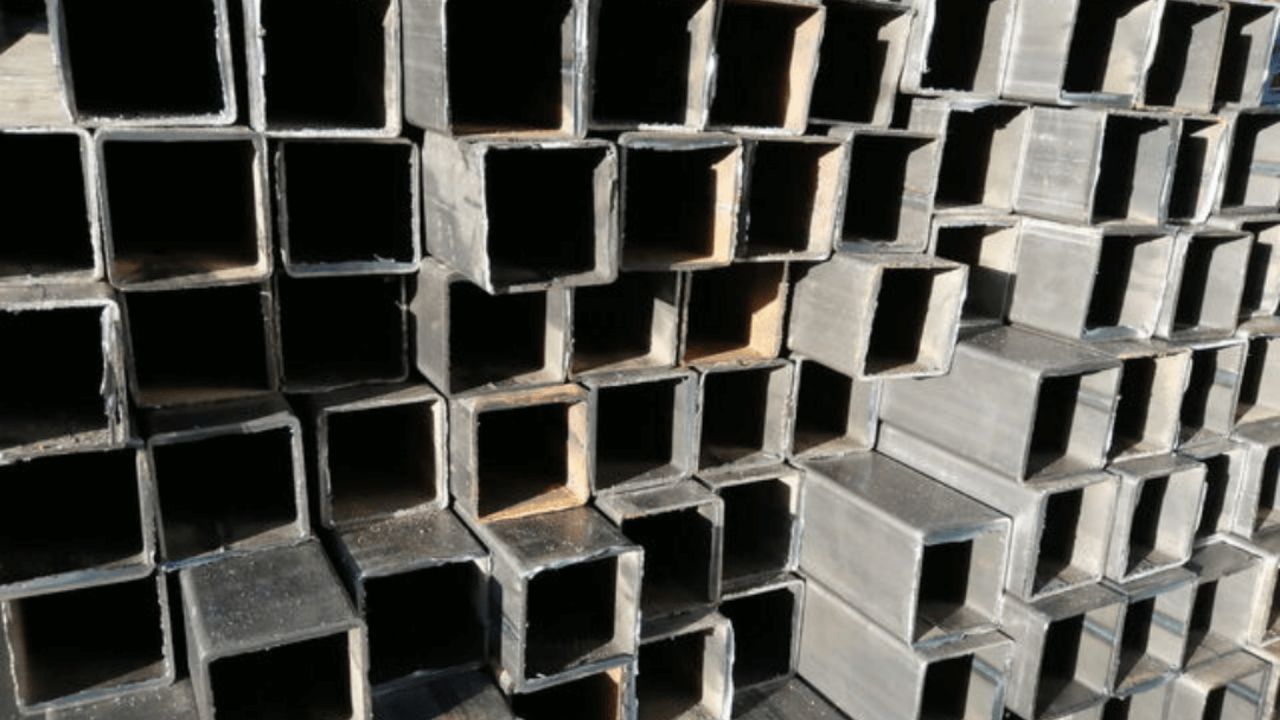
HSS steel and traditional steel pipe might appear similar initially, but they are used in different applications. HSS stands for Hollow Structural Section. HSS material is mainly used in construction and structural projects. Traditional steel pipe is primarily utilized in the transportation of liquids. The two products are also steel-based with hollow designs, and they are different in their design, strength, and uses. The knowledge of such differences allows engineers, contractors, and buyers to select the appropriate material to use in their projects.
Main Purpose of HSS Steel
HSS steel is primarily used in structural applications of buildings and heavy engineering. It finds common application in bridges, warehouses, towers, industrial buildings, and commercial buildings. The aim of HSS steel is to offer stability, support, and strength when carrying heavy loads. HSS steel has a very strong-to-weight ratio and therefore enables engineers to create strong structures with minimal material weight. It is also popular in present-day architecture because of its clean look.
Main Purpose of Traditional Steel Pipe
Traditional steel pipe is designed to primarily transport liquids and gases. It is widely employed in oil and gas pipes, water supply systems, fire protection systems, and in the transportation of fluids in industries. Contrary to the HSS steel, the primary concern of the traditional steel pipe is the pressure and flow of the pipe. These pipes are constructed in a manner that they can carry materials from one place to another without leakages or losses. Their construction is more focused on pressure ratings than structural strength.
Difference in Shape and Design
The shape and design of HSS steel and traditional steel pipe are one of the significant differences between them. The HSS steel is available in square, rectangular, and round shapes. Square and rectangular shapes are particularly practical when it comes to structural applications, as it offers more balance and support. The conventional steel pipe is typically round since circular pipes can enable fluids and gases to pass through them more effectively. The design of each product is aimed at corresponding to its purpose and performance requirements.
Different Manufacturing Standards
The HSS steel and traditional steel pipe also have various industry standards. The HSS steel is usually made as per ASTM A500 and EN10219 standards, which concentrate on structural performance and load-bearing capacity. Conventional steel pipe is typically produced to meet such standards as ASTM A53 or API 5L, which are oriented towards pressure requirements and fluid conveying. These standards are used to make sure that every product is safe and meets its performance standards.
Weight and Material Efficiency
HSS steel is characterized by a good strength-to-weight ratio. The hollow design minimizes the unnecessary weight, yet it offers high support. This enables it to be transported, handled, and installed with ease in construction projects. The conventional steel pipe might occasionally need heavier walls to manage the internal pressure, thus adding weight. HSS steel can be used in most structural applications in a more efficient way since it has high strength yet is not heavy.
Common Applications of HSS Steel
HSS steel is highly employed in structural and architecture. It is used by engineers to construct frames, bridge supports, stadium structures, machinery platforms, and industrial structures. Modern building designs also embrace it due to its smoothness and clean lines. HSS steel can be used in projects where it is necessary to be both strong and attractive. Its application across various industries, such as construction, transportation, and manufacturing, makes it popular in most industries.
Common Applications of Traditional Steel Pipe
The use of traditional steel pipe is common in industries that are in need of fluid or gas transportation. Its application is in oil and gas companies in pipelines and in water treatment plants in water distribution systems. Steel pipes are also used in fire protection systems to supply water in case of an emergency. Chemicals, steam, and other materials are carried in factories and industrial plants using steel pipes. They are designed for safe and reliable movement of pressure fluids.
Which Option Is Better for Construction Projects?
In most structural construction projects, HSS steel is normally the preferred choice due to its special load-bearing performance. It is very effective in supporting buildings and heavy structures due to its shape, strength, and lightweight design. Traditional steel pipe can still find some structural applications, but is typically better applied to transportation systems. The selection of the right product is based on the purpose of the project, design necessities, and safety necessities.
Conclusion
HSS steel and traditional steel pipe are two significant materials in the contemporary industry, but these materials play different roles. HSS steel is predominantly employed in the construction and engineering sector to provide structural support, whereas traditional steel pipe is predominantly employed in the transportation of liquids and gases. They vary in size, production, quality, power, and use. Knowledge of these differences assists the buyers and engineers in making superior decisions on their projects.